
Most Popular
-
 OG Cake She Hits Different 2G
Original price was: $25.00.$20.00Current price is: $20.00.
OG Cake She Hits Different 2G
Original price was: $25.00.$20.00Current price is: $20.00.
-
 Clean Carts 2g Blue Edition
Original price was: $25.00.$20.00Current price is: $20.00.
Clean Carts 2g Blue Edition
Original price was: $25.00.$20.00Current price is: $20.00.
-
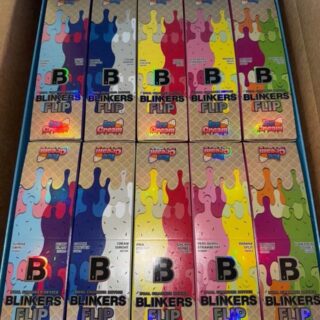 Blinkers Flip with Hash Hole
Original price was: $30.00.$20.00Current price is: $20.00.
Blinkers Flip with Hash Hole
Original price was: $30.00.$20.00Current price is: $20.00.
-
 Luigi Live Resin Liquid Diamonds
Original price was: $30.00.$25.00Current price is: $25.00.
Luigi Live Resin Liquid Diamonds
Original price was: $30.00.$25.00Current price is: $25.00.
-
 Besos 3 in 1 2G disposable
$20.00
Besos 3 in 1 2G disposable
$20.00

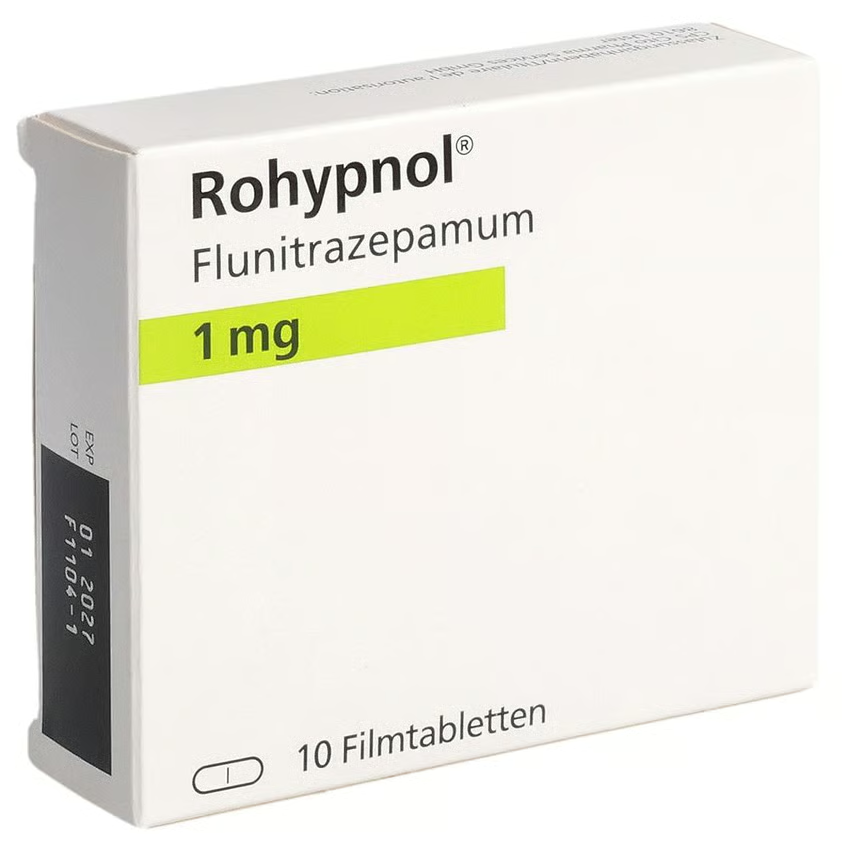
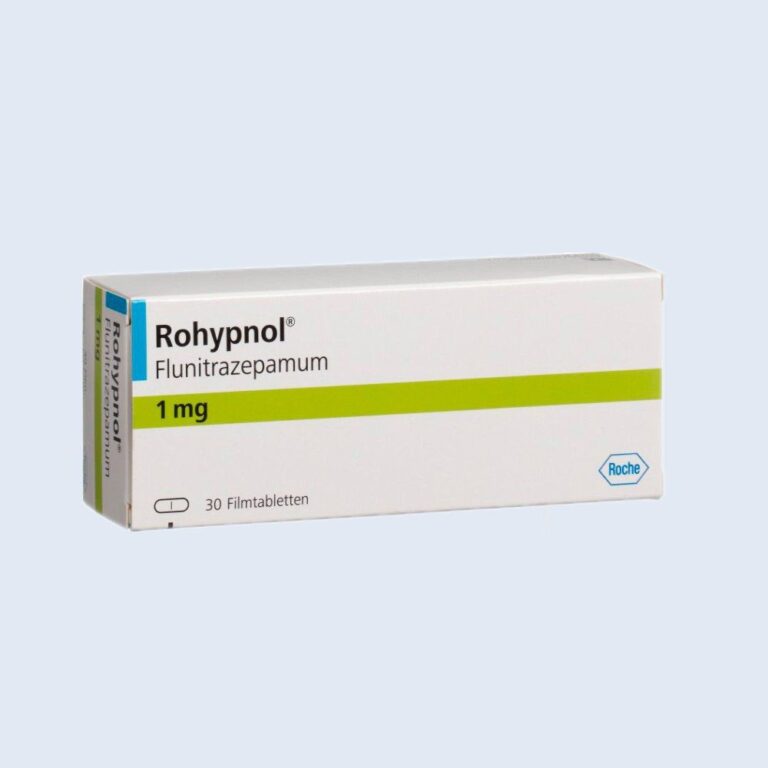
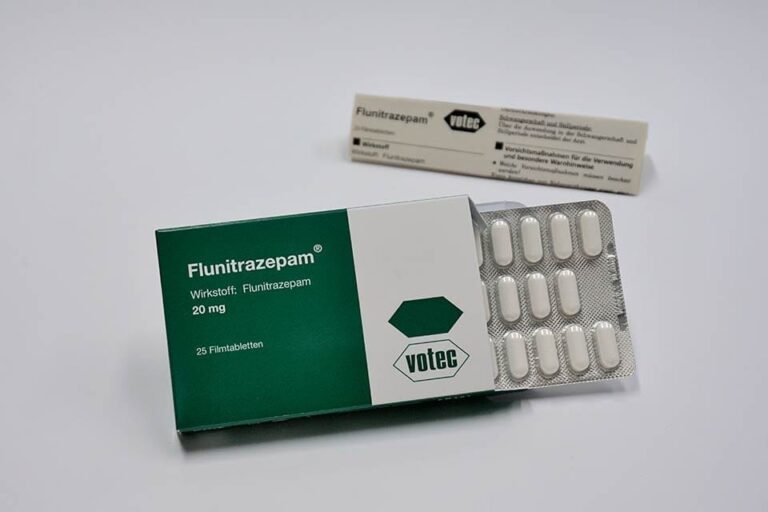
Flunitrazepam (Rohypnol)
Original price was: $180.00.$150.00Current price is: $150.00.
INSTOCK price is for the whole pack
Flunitrazepam (Rohypnol): A Comprehensive Overview
Introduction
Flunitrazepam, widely recognized by its brand name Rohypnol, represents one of the most potent and controversial benzodiazepine medications ever developed. This pharmaceutical compound has garnered significant attention not only for its legitimate medical applications but also, unfortunately, for its association with drug-facilitated sexual assault and recreational abuse. Understanding flunitrazepam requires examining its pharmacological properties, medical uses, dangers, legal status, and the broader social implications surrounding its misuse.
Chemical Properties and Pharmacology
Flunitrazepam belongs to the benzodiazepine class of medications, a group of psychoactive drugs that act primarily on the central nervous system. The chemical formula for flunitrazepam is C16H12FN3O3, and it was first synthesized by Hoffmann-La Roche in 1972. Like other benzodiazepines, flunitrazepam works by enhancing the effect of gamma-aminobutyric acid (GABA), a neurotransmitter that inhibits brain activity.
The mechanism of action involves binding to GABA-A receptors in the brain, which increases the frequency of chloride channel opening. This results in hyperpolarization of neurons, making them less likely to fire. The net effect is a reduction in neuronal excitability throughout the central nervous system, producing sedative, anxiolytic (anti-anxiety), muscle relaxant, and anticonvulsant effects.
What distinguishes flunitrazepam from many other benzodiazepines is its exceptional potency. It is approximately ten times more potent than diazepam (Valium), one of the most commonly prescribed benzodiazepines. A typical dose of flunitrazepam ranges from 0.5 to 2 milligrams, compared to 5 to 10 milligrams for diazepam. This high potency means that even small amounts can produce significant effects.
The drug has a relatively rapid onset of action, typically taking effect within 15 to 30 minutes when taken orally. Peak plasma concentrations are reached within one to two hours. Flunitrazepam has a half-life of approximately 18 to 26 hours, meaning it can remain in the system for an extended period. The drug is metabolized primarily in the liver and excreted through the kidneys.
Legitimate Medical Uses
In countries where flunitrazepam is legally prescribed, it has several accepted medical applications. The primary indication is for the short-term treatment of severe, disabling insomnia that has not responded to other interventions. The powerful sedative properties of flunitrazepam make it effective for individuals experiencing chronic sleep difficulties, though its use is generally limited to cases where other treatments have failed due to concerns about dependence and abuse potential.
Flunitrazepam is also used as a pre-anesthetic medication in surgical procedures. Administered before surgery, it helps reduce anxiety and produces sedation, making the induction of general anesthesia smoother and potentially reducing the amount of anesthetic agents required. Its muscle-relaxant properties can also be beneficial in surgical contexts.
In some medical systems, flunitrazepam has been prescribed for severe anxiety disorders, though this application has become less common as safer alternatives have become available. The drug has also been investigated for use in managing alcohol withdrawal symptoms, given its sedative and anticonvulsant properties, though other benzodiazepines are typically preferred for this purpose.
Despite these legitimate uses, the medical community has increasingly moved away from prescribing flunitrazepam due to safety concerns, the availability of safer alternatives, and the drug’s association with abuse and criminal activity. Many countries have imposed strict regulations or outright bans on its prescription and distribution.
Effects and Dangers
The effects of flunitrazepam can be divided into intended therapeutic effects and potentially dangerous side effects or outcomes of misuse.
Therapeutic Effects: When used as prescribed under medical supervision, flunitrazepam produces sedation, reduces anxiety, relaxes muscles, and promotes sleep. Patients typically experience a sense of calm and drowsiness, which can be beneficial for those suffering from severe insomnia or pre-operative anxiety.
Adverse Effects: Even when used appropriately, flunitrazepam can cause numerous side effects. Common adverse effects include drowsiness, dizziness, confusion, impaired coordination, and slurred speech. Users may experience “hangover” effects the following day, including continued drowsiness, impaired concentration, and reduced motor skills. Memory impairment is particularly concerning, as the drug can cause anterograde amnesia—the inability to form new memories after taking the drug. This effect can last several hours.
Dangers of Misuse: The recreational use of flunitrazepam poses serious health risks. When combined with alcohol or other central nervous system depressants, the effects are dangerously amplified. This combination can lead to severe respiratory depression, unconsciousness, coma, and death. The sedative effects are so powerful that users may fall into a state of profound unconsciousness where protective reflexes are suppressed, increasing the risk of aspiration if vomiting occurs.
Psychological effects of misuse can include paradoxical reactions such as aggression, excitability, and impulsive behavior. Some users report experiencing hallucinations or delusions, particularly at higher doses.
Physical Dependence: Regular use of flunitrazepam, even at prescribed doses, can lead to physical dependence within a relatively short period—sometimes within a few weeks. Dependence manifests as tolerance (requiring increasing doses to achieve the same effect) and withdrawal symptoms when the drug is discontinued. Withdrawal from benzodiazepines can be severe and potentially life-threatening, featuring symptoms such as anxiety, insomnia, tremors, sweating, rapid heart rate, elevated blood pressure, seizures, and in extreme cases, delirium.
What Is Rohypnol (Flunitrazepam)?
Rohypnol is the brand name for flunitrazepam, a benzodiazepine developed in the 1970s primarily as a short-term treatment for severe insomnia and to aid anesthesia. This central nervous system depressant works by enhancing the activity of gamma-aminobutyric acid (GABA), a neurotransmitter that inhibits brain activity, producing sedation, muscle relaxation, and amnesia. Unlike milder benzodiazepines like Valium, flunitrazepam is about 10 times more potent, with effects kicking in within 30 minutes and lasting up to 8-12 hours.
Flunitrazepam tablets are small, white, and often scored, though reformulated versions may be blue to deter covert use in drinks. Street names include “roofies,” “roachies,” “forget-me pill,” and “Mexican Valium,” reflecting its illicit popularity. Patented in 1962 and introduced medically in 1974, it remains unavailable by prescription in the United States due to abuse risks.
Medical Uses of Rohypnol Flunitrazepam
In countries outside the U.S., such as parts of Europe, Latin America, and Asia, Rohypnol treats severe insomnia unresponsive to other therapies, typically for no more than 7-10 days to avoid dependence. Doctors prescribe 1-2 mg doses at bedtime for its rapid hypnotic action. It also serves as a premedication for anesthesia, inducing relaxation before surgery.
Anxiolytic properties make it useful for short-term anxiety management, though less common today due to safer alternatives. Standard doses range from 0.5-2 mg, with elderly patients starting lower to prevent excessive sedation. However, guidelines emphasize occasional use only for chronic cases, as tolerance builds quickly.
How Rohypnol Works in the Body
Flunitrazepam binds to GABA-A receptors in the brain, amplifying inhibitory signals that slow neural firing. This leads to sedative-hypnotic effects: drowsiness, reduced anxiety, muscle relaxation, and anticonvulsant action. Peak blood levels occur 1-3 hours post-ingestion, with a half-life of 18-26 hours, prolonging next-day impairment.
It crosses the blood-brain barrier efficiently, causing anterograde amnesia—victims remember little after ingestion. Metabolized by the liver via CYP3A4 enzymes, interactions with inhibitors like cimetidine can intensify effects. Unlike some benzodiazepines, it has minimal active metabolites, but accumulation occurs with repeated dosing.
Short-Term Effects of Rohypnol Abuse
Immediate Rohypnol effects include profound drowsiness, dizziness, confusion, and slurred speech. Users experience euphoria, disinhibition, and impaired coordination, mimicking heavy intoxication. Gastrointestinal issues, headache, and weakness follow, with blackouts lasting 8-24 hours.
At recreational doses (1-2 mg), it induces relaxation and detachment; higher amounts (4+ mg) cause unconsciousness. Combined with alcohol or opioids, it dangerously amplifies CNS depression, slowing breathing and heart rate. Driving becomes hazardous, with studies showing elevated road accident risks.
Long-Term Effects and Dependence Risks
Chronic Rohypnol use fosters physical and psychological dependence within weeks. Tolerance requires escalating doses for the same sedation, leading to addiction. Withdrawal mimics benzodiazepine cessation: anxiety, insomnia, tremors, seizures, and potentially life-threatening delirium.
Reduced sleep quality results in daytime somnolence and cognitive deficits. Elderly users face heightened suicide risk from overdose. Prolonged abuse damages memory, balance, and mental health, with irreversible effects possible in heavy users.
Rohypnol as a Date Rape Drug
Rohypnol gained infamy in the 1990s as a “date rape drug” due to its colorless, odorless, tasteless nature and amnesic properties. Perpetrators crush 1-2 mg tablets into drinks, causing victims to lose consciousness and memory within 20-30 minutes. Effects peak at 2 hours, leaving victims vulnerable for hours.
Illicit use surged in nightlife scenes, often mixed with alcohol for intensified sedation. U.S. bans stem from thousands of reported assaults, though exact prevalence is underreported due to amnesia. Reformulated blue-dye tablets aim to detect tampering, but illicit versions persist.
Overdose Symptoms and Dangers
Rohypnol overdose causes extreme sedation, respiratory depression, coma, and death, especially with alcohol, heroin, or other depressants. Symptoms progress from confusion and ataxia to hypotension, bradycardia, and apnea. No specific antidote exists beyond supportive care; flumazenil reverses effects but risks seizures.
Fatal doses vary (10-20 mg alone, less combined), with survivors facing aspiration pneumonia or brain damage. Emergency intervention focuses on ventilation and monitoring. Prevalence in polydrug overdoses underscores its lethality.
Rohypnol Addiction Treatment Options
Detox from Rohypnol requires medical supervision to taper doses and manage withdrawal with long-acting benzodiazepines like diazepam. Inpatient rehab provides 24/7 monitoring, therapy, and relapse prevention. Cognitive-behavioral therapy (CBT) addresses underlying triggers, while support groups like Narcotics Anonymous aid recovery.
Medications such as anticonvulsants prevent seizures during detox. Dual-diagnosis treatment tackles co-occurring mental health issues. Success rates improve with 90-day programs emphasizing lifestyle changes.
Legal Status Worldwide
Rohypnol is Schedule IV in the U.S. (illegal to possess or distribute) and Schedule 8 in Australia. Europe schedules it variably; it’s prescription-only in the UK but restricted. Mexico and Colombia produce it legally, fueling smuggling. Penalties for trafficking include years in prison and fines.
The Dark Side: Drug-Facilitated Sexual Assault
Flunitrazepam gained notoriety in the 1990s as a “date rape drug” or “roofie.” Its characteristics make it particularly dangerous in this context. The drug is colorless, tasteless, and odorless when dissolved in liquids, making it difficult for potential victims to detect when it has been added to their drinks. The rapid onset of sedation, combined with the drug’s ability to cause anterograde amnesia, creates a situation where victims may be incapacitated and unable to resist assault, and may have little or no memory of the event afterward.
The incapacitating effects include:
- Extreme drowsiness and sedation
- Muscle relaxation to the point of inability to move
- Reduced inhibitions
- Impaired judgment and decision-making
- Confusion and disorientation
- Anterograde amnesia lasting several hours
Victims of drug-facilitated sexual assault often report fragmented memories or complete blackouts, making it difficult to report the crime or provide testimony. The amnesia can also create significant psychological trauma, as victims may sense that something terrible happened but cannot recall the details.
In response to this crisis, the manufacturer, Hoffmann-La Roche, reformulated Rohypnol tablets to include a blue dye that becomes visible when the pill is dissolved in liquid. The new formulation also makes the tablets less soluble. However, generic versions of flunitrazepam may not include these safety features, and the reformulation has not entirely solved the problem. Additionally, perpetrators have adapted by using drinks that are already colored or dark, masking the blue dye.
Legal Status and Regulation
The legal status of flunitrazepam varies significantly across different countries, reflecting concerns about its abuse potential and association with criminal activity.
United States: Flunitrazepam is not approved for medical use in the United States and has never been legally marketed or prescribed in the country. It is classified as a Schedule IV controlled substance under the Controlled Substances Act, meaning it is illegal to manufacture, distribute, or possess without authorization. However, the penalties associated with flunitrazepam are unusually severe for a Schedule IV drug due to its association with sexual assault.
The Drug-Induced Rape Prevention and Punishment Act of 1996 established severe penalties for the use of controlled substances in sexual assault cases. Importing flunitrazepam or possessing it with intent to distribute can result in up to 20 years in prison. If the drug is used in the commission of a violent crime, including sexual assault, penalties can extend to life imprisonment.
International Status: In many countries, flunitrazepam remains a legal prescription medication but is subject to strict controls. In the United Kingdom, it is a Class C controlled drug under the Misuse of Drugs Act. Several European countries have placed increasingly strict regulations on its prescription and distribution. Some nations have moved to ban it entirely or restrict its availability to hospital settings only.
Many countries have responded to the drug-facilitated assault crisis by implementing specific legislation addressing the use of incapacitating substances in the commission of crimes. International drug control conventions classify flunitrazepam as a psychotropic substance requiring regulation.
Detection and Testing
Detecting flunitrazepam in biological samples presents challenges, particularly when testing must occur days after exposure. The drug and its metabolites can be detected in urine for approximately 72 hours after ingestion using standard immunoassay screening tests, though this window can vary based on dose, individual metabolism, and testing sensitivity.
More sophisticated testing methods, such as gas chromatography-mass spectrometry (GC-MS) or liquid chromatography-mass spectrometry (LC-MS), can detect flunitrazepam and its metabolites for longer periods—up to several weeks in some cases, particularly in hair samples. However, these specialized tests are more expensive and time-consuming than routine screening.
The primary metabolite of flunitrazepam, 7-aminoflunitrazepam, is often the target of testing protocols as it remains detectable in urine longer than the parent compound. Blood testing can confirm recent use but has a shorter detection window.
One significant challenge in forensic contexts is that many standard drug screening panels do not routinely test for flunitrazepam unless specifically requested. This means that in suspected drug-facilitated assault cases, medical professionals and law enforcement must specifically request testing for this substance, and delays in reporting or seeking medical attention can result in the drug being undetectable by the time testing occurs.
Prevention and Risk Reduction
Given the serious risks associated with flunitrazepam, particularly in contexts of drug-facilitated assault, numerous prevention strategies have been developed and promoted.
Personal Safety Measures: Public health campaigns emphasize strategies such as never leaving drinks unattended, watching drinks being prepared, avoiding accepting drinks from strangers, staying with trusted friends in social situations, and being aware of sudden unexplained drowsiness or disorientation. Various products have been marketed to help detect drug-contaminated drinks, including coasters and test strips, though their reliability varies.
Bystander Intervention: Education programs increasingly focus on teaching individuals to recognize signs that someone may have been drugged and to intervene appropriately by seeking medical help, staying with the person, and notifying authorities.
Medical Response: Healthcare facilities have developed protocols for responding to suspected drug-facilitated assault cases, emphasizing timely collection of biological samples for testing, appropriate medical care, and connection to support services.
Treatment and Medical Management
For individuals who have been exposed to flunitrazepam, either through prescribed use or involuntary administration, medical management focuses on several priorities.
Acute Management: In cases of overdose or suspected drug-facilitated assault, immediate medical attention is crucial. Treatment is primarily supportive, focusing on maintaining airway, breathing, and circulation. Flumazenil, a benzodiazepine antagonist, can reverse the effects of flunitrazepam but must be used cautiously as it can precipitate seizures in individuals who are benzodiazepine-dependent.
Dependence and Withdrawal: For individuals who have developed dependence on flunitrazepam through prescribed use or recreational abuse, treatment requires careful medical supervision. Abrupt discontinuation can be dangerous, so a gradual tapering schedule is typically implemented, often substituting a longer-acting benzodiazepine before gradually reducing the dose. This process may take weeks to months depending on the duration and intensity of use.
Conclusion
Flunitrazepam represents a complex pharmaceutical compound that exemplifies the dual nature of powerful medications—capable of providing legitimate therapeutic benefits while also posing serious risks when misused. Its potent sedative properties, combined with its ability to cause amnesia, have made it both a valuable medical tool in appropriate settings and a dangerous substance in the context of abuse and criminal activity.
The story of Rohypnol highlights broader issues in pharmaceutical regulation, the challenges of balancing medical access with public safety, and the ongoing need for education and prevention strategies to address drug-facilitated crimes. While reformulations and legal restrictions have helped mitigate some risks, the fundamental properties of the drug continue to make it a substance of concern for public health officials, law enforcement, and the medical community.
Understanding flunitrazepam requires acknowledging both its legitimate place in medical practice where appropriately regulated and the very real dangers it poses when misused. Continued vigilance, education, and research remain essential to minimizing harm while ensuring that those who might benefit from such medications can access them safely under proper medical supervision.
Related products
-
Kaws Moonrocks Exotic Edition
Price range: $200.00 through $1,500.00Select options This product has multiple variants. The options may be chosen on the product pageAVAILABLE NOW !!! minimun order is an OZ 200$
-
Wooden Storage Set
Original price was: $111.00.$99.99Current price is: $99.99. -
Sluggers Hit Pre Rolls 5 pack
Original price was: $35.00.$30.00Current price is: $30.00.Select options This product has multiple variants. The options may be chosen on the product pageAVAILABLE NOW !! price for 1 pack with 5pre rolls 30$
-

DMT VAPE CARTS
Price range: $60.00 through $4,500.00Select options This product has multiple variants. The options may be chosen on the product pageAVAILABLE NOW!!



Reviews
There are no reviews yet.